A First Day at a Multi-Sport Games: A Viewer’s Plan
A first day at a multi-sport games can feel scattered. Choose a few events, learn how each is decided, and leave time to discover something new.
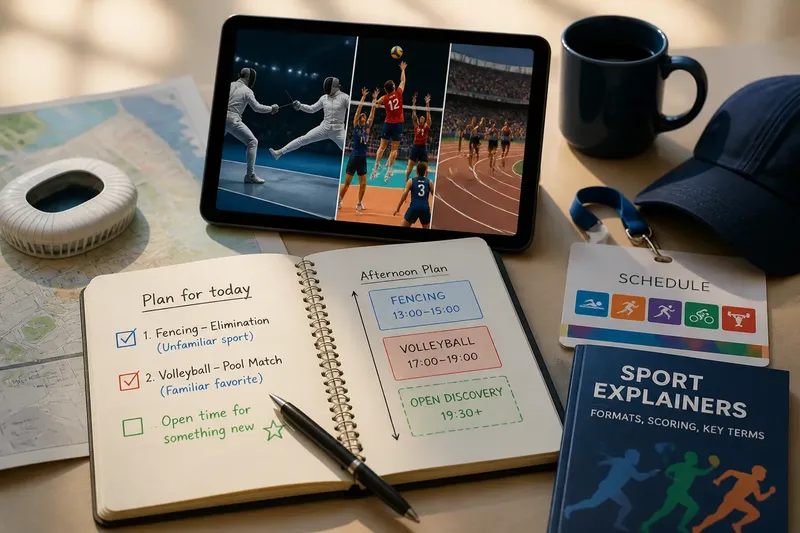
The common first-day mistake at a multi-sport games is trying to watch every event that looks exciting. The cost is a day spent switching screens or venues without learning how any contest unfolds. A better plan is to pick a small set of sessions, understand what decides each one, and leave a gap for an unfamiliar sport.
How should you choose events for a first day at a multi-sport games?
Start with the shape of your day, not with a list of sports. Check the official schedule for start times, session lengths, venue locations, and whether a session includes several rounds or separate medal events. A session is the block of competition scheduled for a particular venue; it may include more than one match or event.
Then choose according to your situation:
- If you have only a short viewing window: Pick one event with a clear endpoint, such as a single match or a final. You can follow the result without needing to reconstruct a long sequence of earlier rounds.
- If you can watch for a while: Choose a session with several contests in the same sport. Repeated encounters make it easier to notice how scoring works and what competitors adjust between attempts or matches.
- If you are attending in person: Favor a venue you can reach comfortably and a session with a schedule that leaves time for entry and movement. A compelling event across town may be a poor fit if the travel would make you miss most of it.
- If you are watching with someone else: Agree on one familiar event and one that interests either of you. Shared attention is easier when nobody is expected to track the entire program.
For a first day, two or three planned viewing blocks are usually more useful than a packed itinerary. Treat the schedule like a tray: leave a little empty space so a new dish can fit.
What should you learn before each session?
Do not try to memorize a rulebook. Find the basic decision that determines the result: is the winner the competitor with the most points, the fastest time, the greatest distance, or the last player or team still in contention? That single question gives you a frame for what to watch.
Next, identify how the event is scored. In a timed race, the clock decides placement; in an attempt-based event, judges or a measured result may determine the ranking; in a match, points or games may accumulate toward a win. The sport’s official event page or a concise rules summary can clarify terms such as a round, heat, set, attempt, or tie-break.
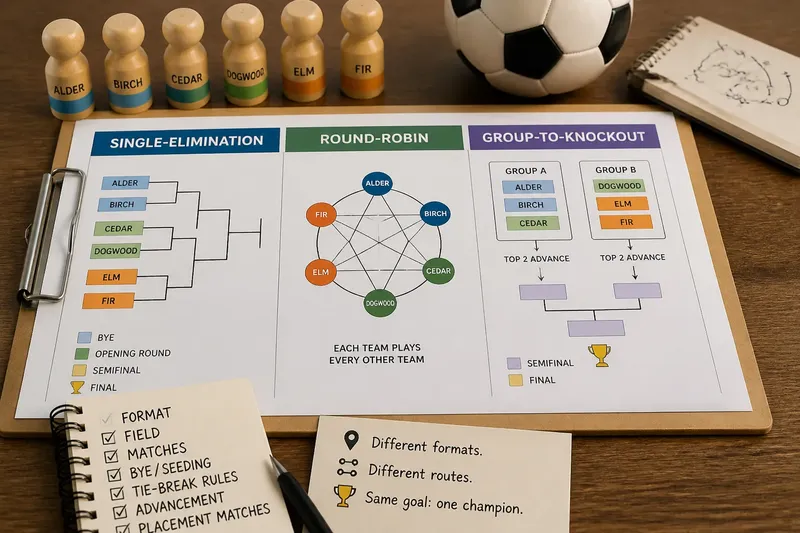
Also note the structure around the contest. A preliminary round may qualify competitors for a later round rather than decide the overall winner. A medal session may include several finals, while a match session can end with one result. Knowing which kind of session you have chosen helps explain why a competitor may advance without winning the whole event.
Which plan fits your time and attention?
For a full day: Build around one anchor session that you most want to see, then add a different sport before or after it. Keep the transition realistic by checking the venue map and schedule together. The second event should feel like a change of pace, not another obligation.
For a split day: Pick one live event and one later broadcast or replay. A live session gives you the shared atmosphere of a crowd; a replay lets you pause to understand a scoring sequence or see a decisive moment again. Avoid scheduling both as if they require uninterrupted attention.
For a day with changing availability: Choose sessions with natural stopping points, such as the end of a match or a scheduled final. Keep one flexible option in reserve rather than committing to a chain of events. If your first choice runs long, you can drop the next block without feeling that the day has failed.
Say you have an afternoon free, enjoy close contests, and have never watched fencing. You might choose a fencing session as the planned unfamiliar event, check whether it is a pool or elimination round, and pair it with a familiar team match later. The expected result is a day with one new set of rules to learn and one event whose rhythm already makes sense.
What should you know before trying an unfamiliar sport?
Choose an event whose basic outcome you can observe even before you know every rule. You might follow who crosses a line first, which team scores next, or whether an attempt lands inside a marked area. Then learn one sport-specific detail that changes how the action is judged.
For example, in fencing, a point is not simply a matter of touching an opponent: the weapon and event rules affect which touches count and how priority is applied. In gymnastics, a routine is judged through its execution and its difficulty, so a high score is not just a tally of successful-looking movements. Reading a short event explainer before the session can make these distinctions easier to spot.
Give yourself permission to watch for a while before deciding whether the sport is for you. The first session can be about recognizing its basic rhythm: pauses, attempts, changes of possession, or the moment an official confirms a result. You do not need to understand every call to notice what makes the event distinctive.
Where can you get quick answers before the action starts?
How can you tell whether a session is a final?
Look for the event label in the official schedule, which may identify a preliminary, semifinal, final, or medal contest. If the label is unclear, check the competition format for that sport rather than assuming every late-day session is a final.
What is the difference between a heat and a final?
A heat is generally one of several preliminary races or groups used to determine who advances. The final is the decisive contest for that event’s placing, though the exact qualification route varies by sport.
How much of the rules should you read?
Begin with the scoring method, the way a winner is decided, and one common reason play can pause or a result can be invalidated. That is enough to orient a first viewing; check the organizer’s event information for sport-specific terminology and current procedures.
What if you miss the start?
Find the current score, round, or attempt and check whether earlier action affects who advances. A brief official recap can restore the context without requiring you to rewind or search through unrelated coverage.
How can you leave room for discovery?
Set one open block in your plan and use the schedule, venue signs, or broadcast listings to choose what looks interesting at the time. If you are undecided, look for a sport with a different kind of outcome from the events you already selected: a timed race after a team match, for instance, or a judged routine after a contest decided by points.
Keep a note of one question to answer after each session, such as what advances a competitor or what an official signal means. That small habit makes the next event easier to follow, while the flexible block keeps the day from turning into a checklist. A first day at a multi-sport games works best when you leave with a few contests you understood and one new sport you want to watch again.
Before you head out or settle in, save the schedule and venue information somewhere easy to reach. That simple preparation lets you spend your attention on the contest itself, and helps you change plans calmly if a session ends earlier or later than expected.